Featured
Active retrieval: why self-quizzing beats rereading
A teacher and tutor guide to the testing effect, the illusion of competence, and practical routines with questions, blank maps, and low-stakes quizzes.
Read articleGuides for organizing ideas, notes, and learning materials with more structure and a clearer method.
A teacher and tutor guide to the testing effect, the illusion of competence, and practical routines with questions, blank maps, and low-stakes quizzes.
Read article
A teacher and tutor guide to task switching, digital distraction, and practical routines for helping students focus.

A practical guide for teachers and tutors: reduce uncertainty, protect expectations, and help students show what they know.

A teacher and tutor guide to turning grades and generic comments into concrete next steps students can act on.
A teacher and tutor guide to replacing last-minute cramming with short, active, scheduled review sessions.

A teacher and tutor workflow for turning dense pages into a clear map for lessons, review, and study support.

A collaborative classroom format for teachers, from board work to a reusable digital map.

A teacher's guide with concrete examples to show why learning disorders are not laziness, low intelligence, or lack of effort.

From working memory to active recall: a practical guide for designing lessons students can remember.

Grades and rewards are not enough: three practical levers to build autonomy, competence, and belonging in class.

How to design lighter lessons, slides, and maps when working memory is already under pressure.

How to design lessons with better rhythm, visual anchors, and active moments when students start losing the thread.

A practical guide for teachers: what AI can support, what to avoid, and how to build a clear classroom agreement.
How to turn accommodations, maps, and study routines into teaching choices that support the whole class.
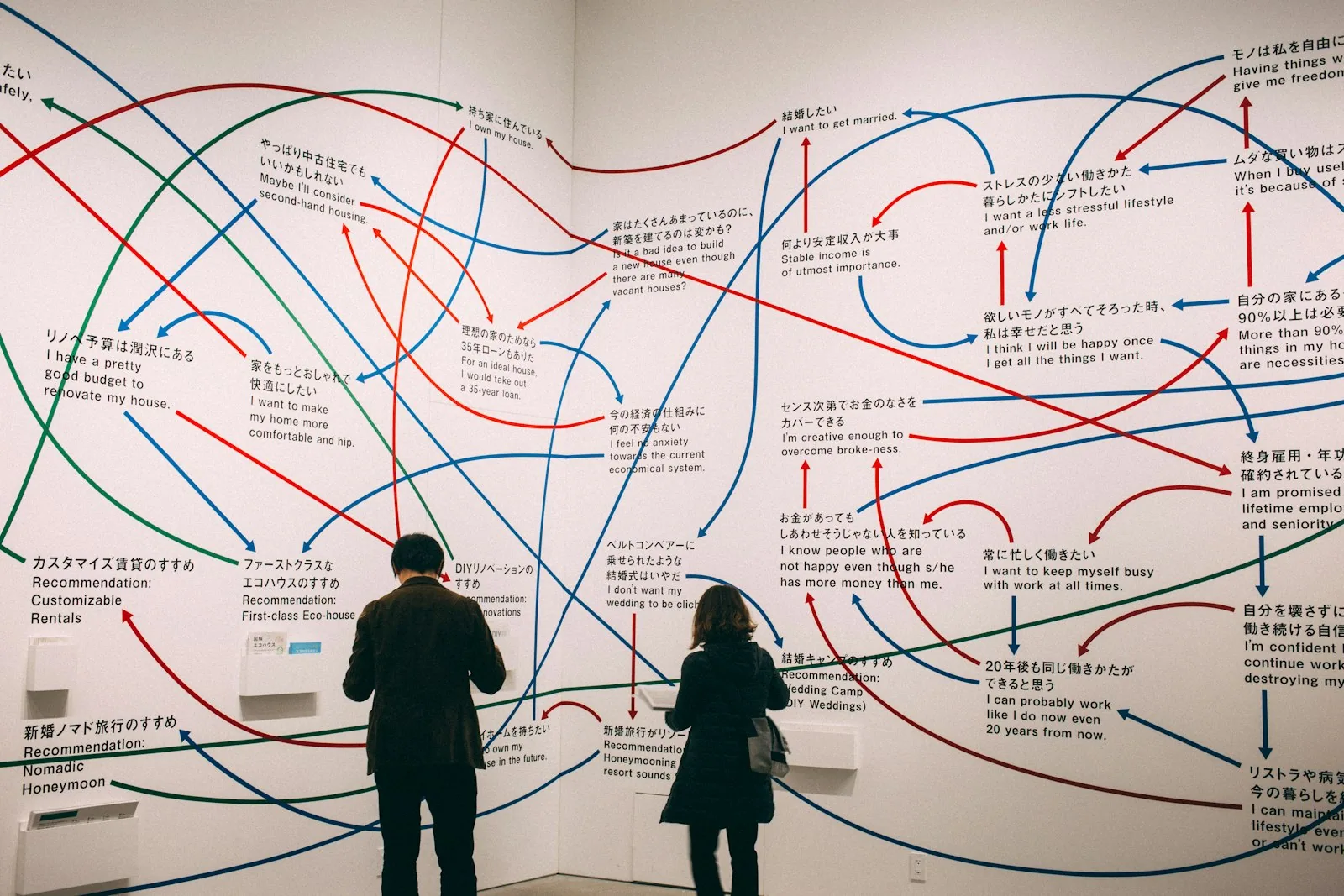
With apps in ChatGPT, you can ask Kiuwo for a mind map while you are already studying, planning a lesson, or making sense of a long conversation.

A neutral guide to assessing sources, control, map quality, and workflow fit instead of stopping at a feature list.
How to use artificial intelligence to prepare maps, outlines, and teaching supports while keeping control and quality.

How to design clearer, verifiable, and adaptable maps for students with different educational needs.

How to turn ready-made materials into a useful map for explanation, review, and catch-up work.

A practical guide to using mind maps before, during, and after class without rewriting everything from scratch.
Practical criteria for assessing AI tools that are accessible, controllable, and aligned with the learner's needs and educational plan.
AI can explain, organize, and ask questions, but it supports learning only when sources, verification, and retrieval remain in the learner's hands.
Summaries preserve the thread, outlines order steps, and maps reveal relationships: a guide to choosing and combining formats.
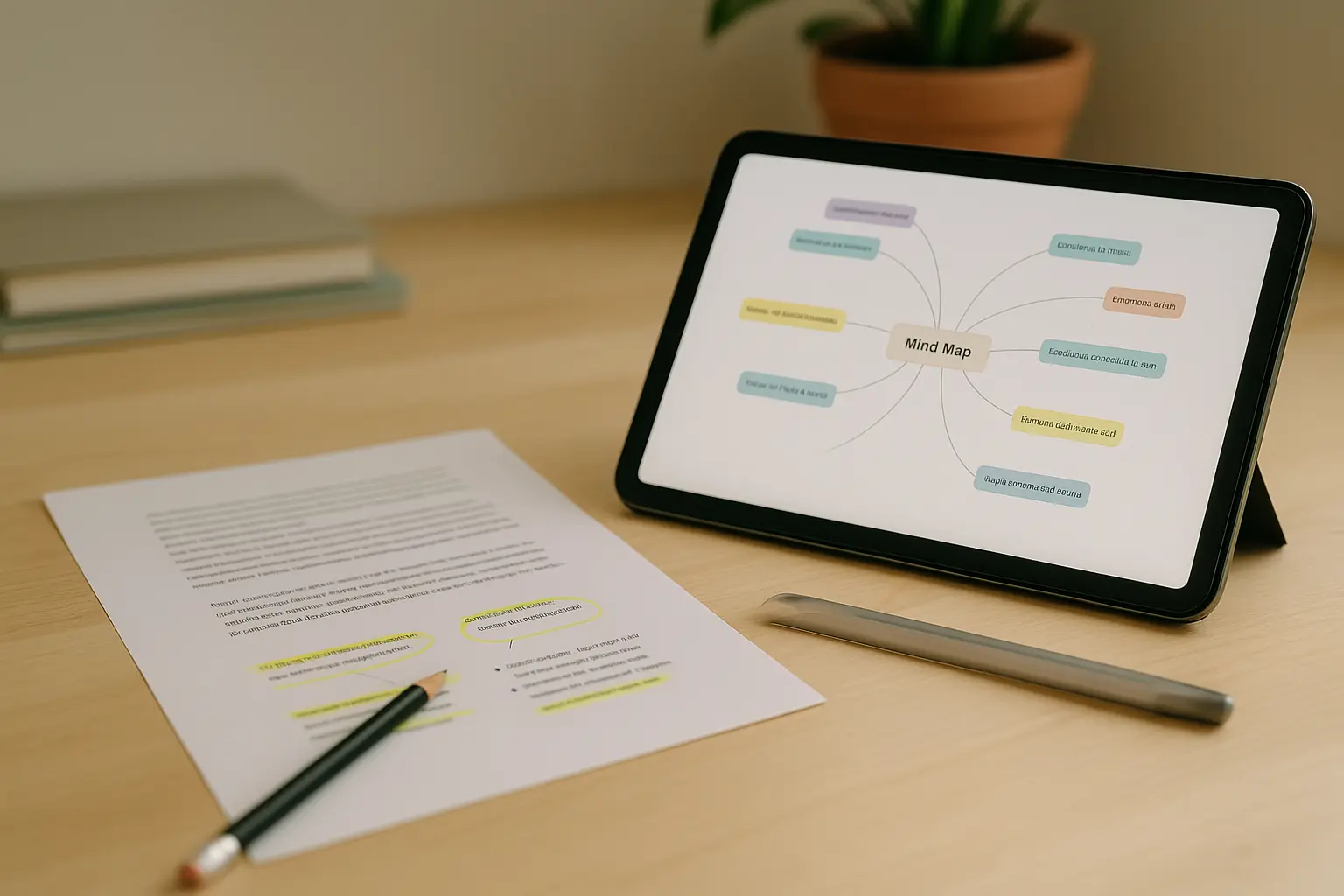
Five practical ways to turn PDFs, notes, images, and audio into a structure you can understand, verify, and review.
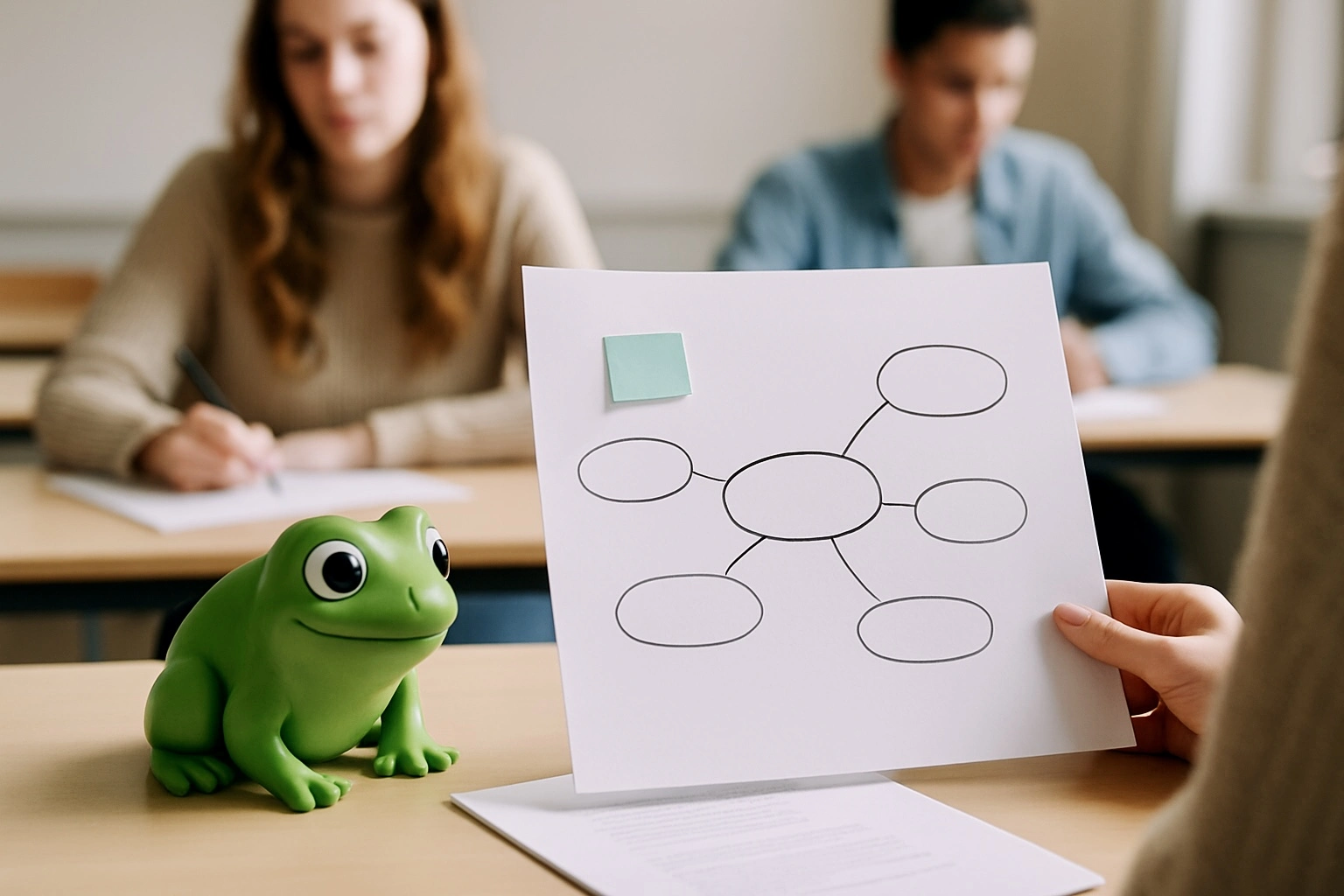
Notes capture a sequence; maps reveal relationships. The better method depends on the moment and the task.
Forgetting is normal: rereading creates familiarity, while retrieval, spacing, and elaboration make memories more accessible.
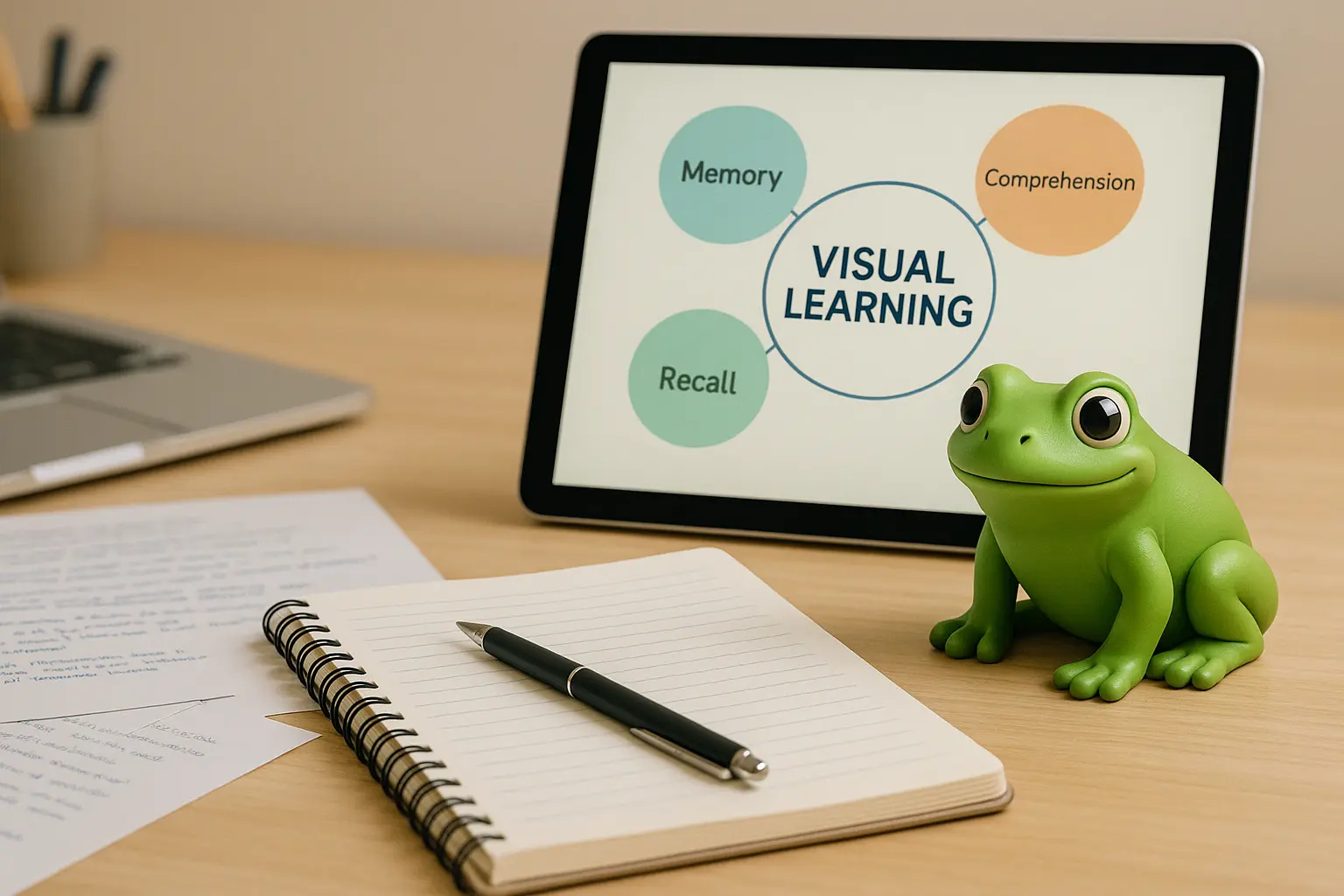
Images, diagrams, and maps help when they clarify relationships and processes—not because some people can only learn visually.